Paddles
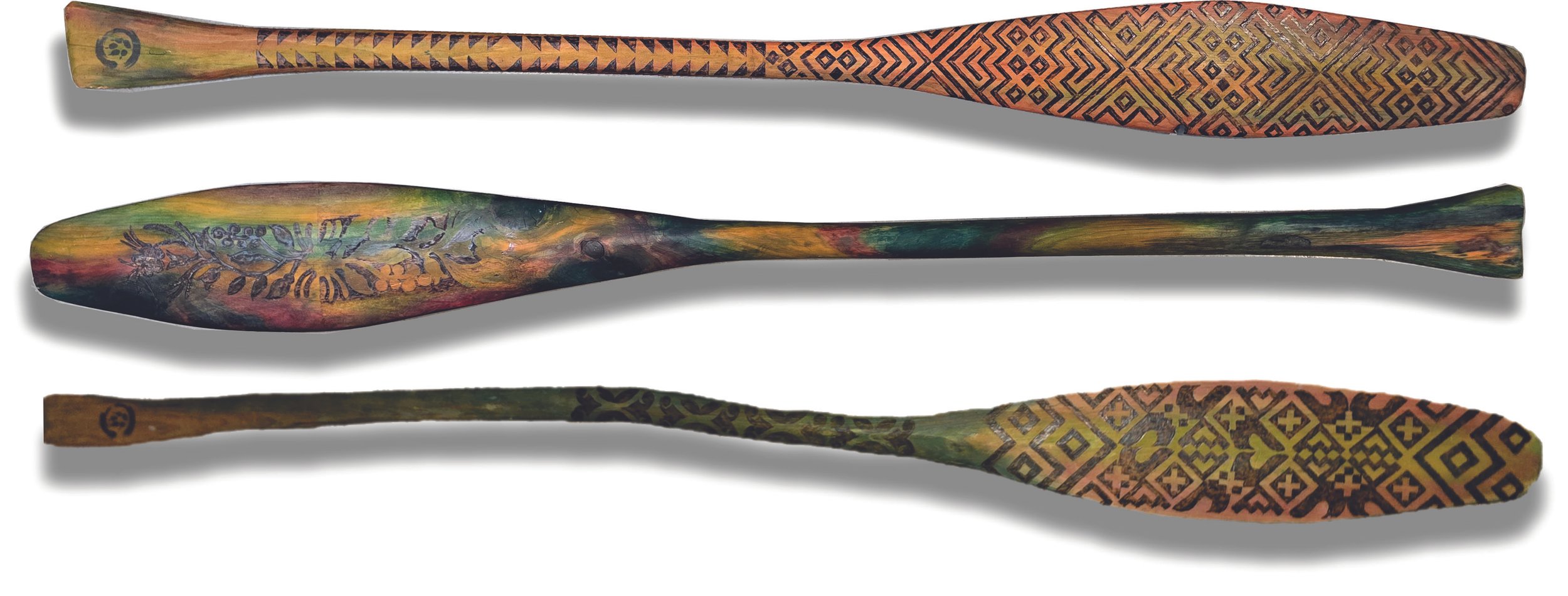
The paddle occupies a unique place within the material culture of the Great Lakes.. More than functional objects, they embody movement, craftsmanship, and the enduring relationship between people and water.
This series explores contemporary interpretations of the visual traditions of the Three Fires Confederacy—the Ojibwe, Odawa, and Potawatomi. Rather than reproducing historical examples, each paddle draws upon the design principles, aesthetics, and lived cultural experience that continue to inform my practice.
Carved by hand and finished with contemporary materials and techniques, these works acknowledge tradition while embracing the freedom to evolve.
vessels
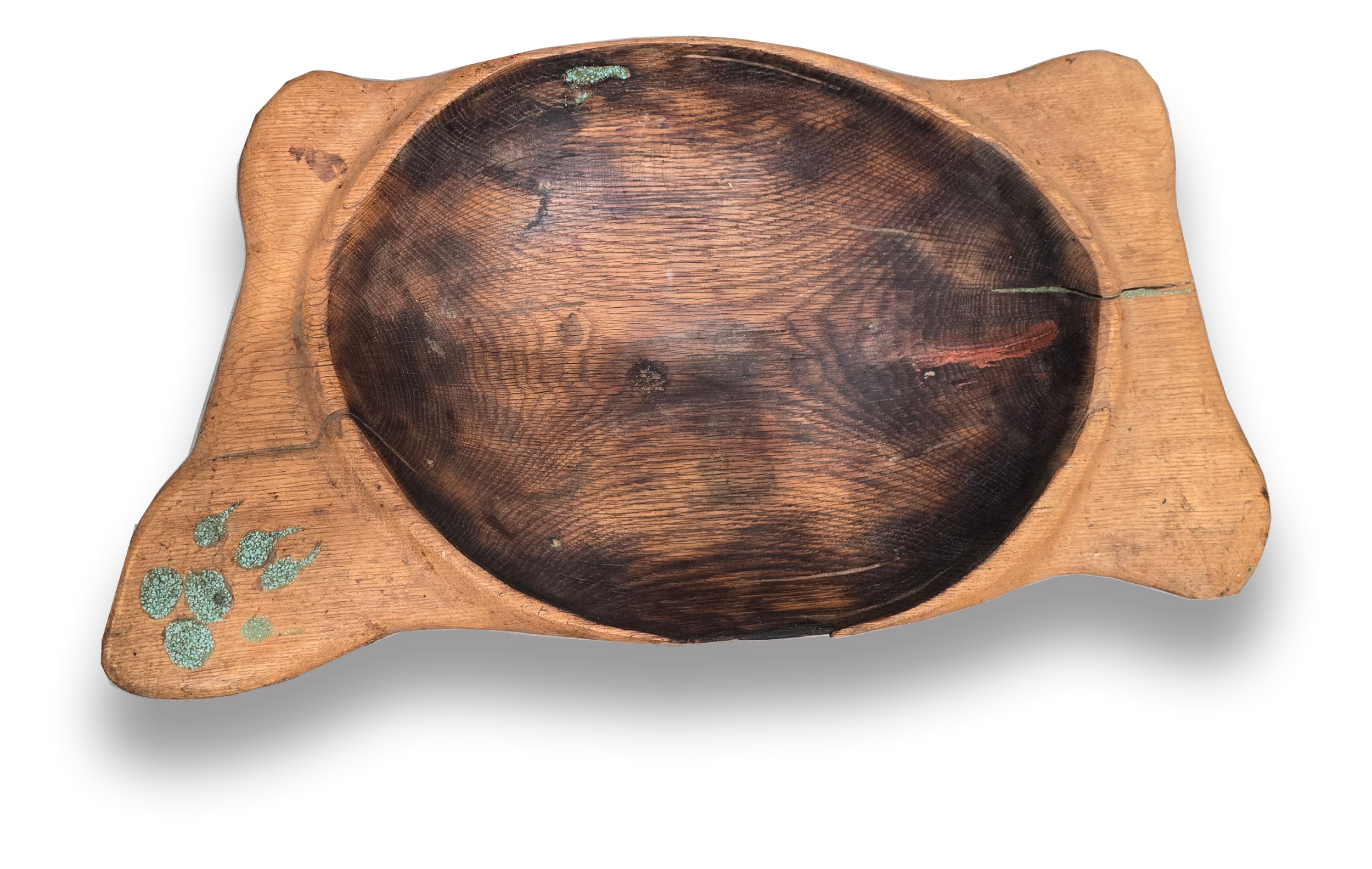
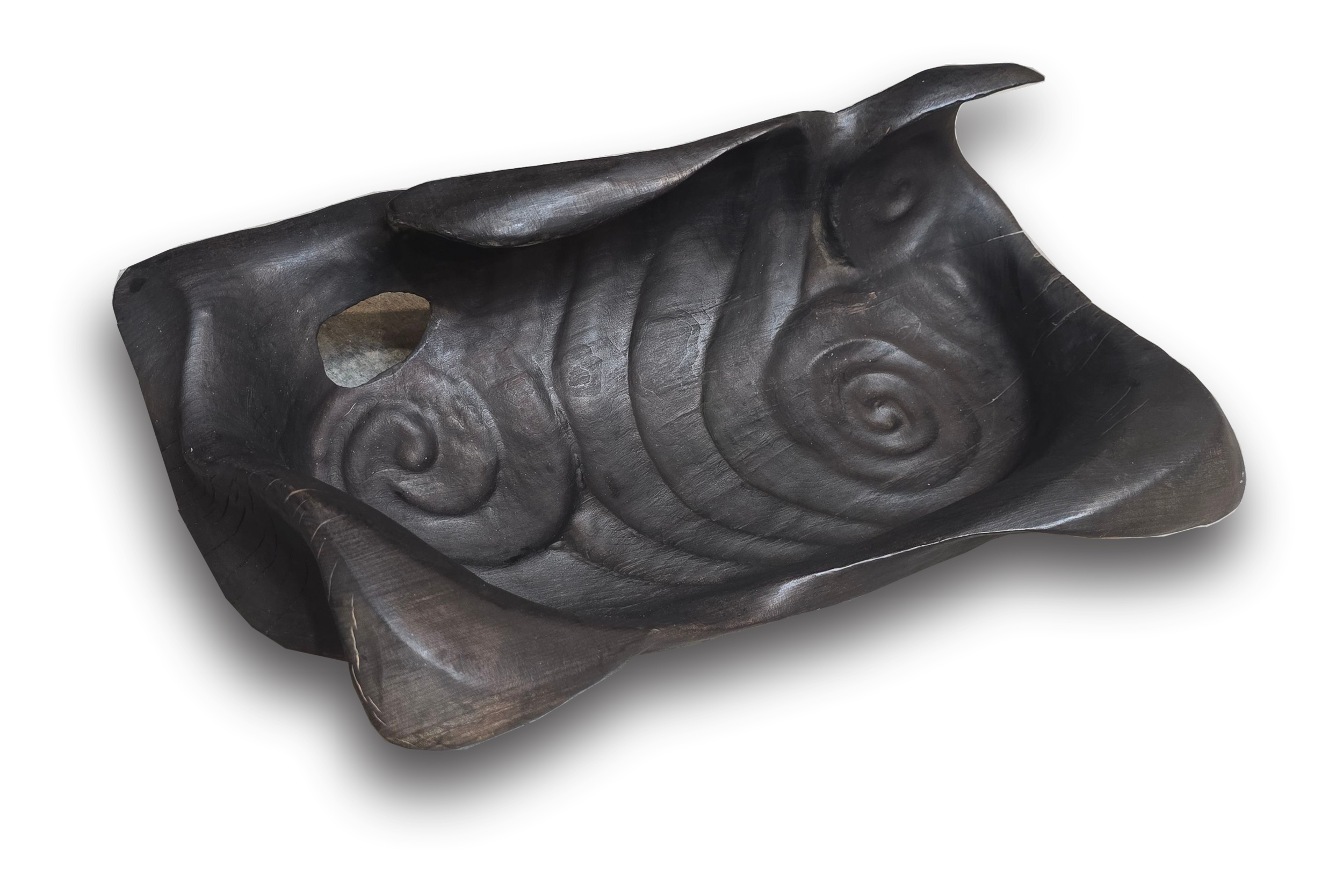
vessels occupy a space between function and sculpture. while rooted in forms that have long served practical purposes, these works are approached as explorations of material, process, and surface rather than reproductions of historical objects.
each piece begins with the character of the material itself. grain, growth, inclusions, and natural irregularities influence the direction of the work as much as the initial concept. fire, carving, machining, and colour become tools for revealing qualities already present in the material.
some works remain recognizable as bowls or serving vessels, while others move toward abstraction. together, they reflect an ongoing investigation into the relationship between utility, form, and contemporary Indigenous art practice.
walls, outdoor, installation
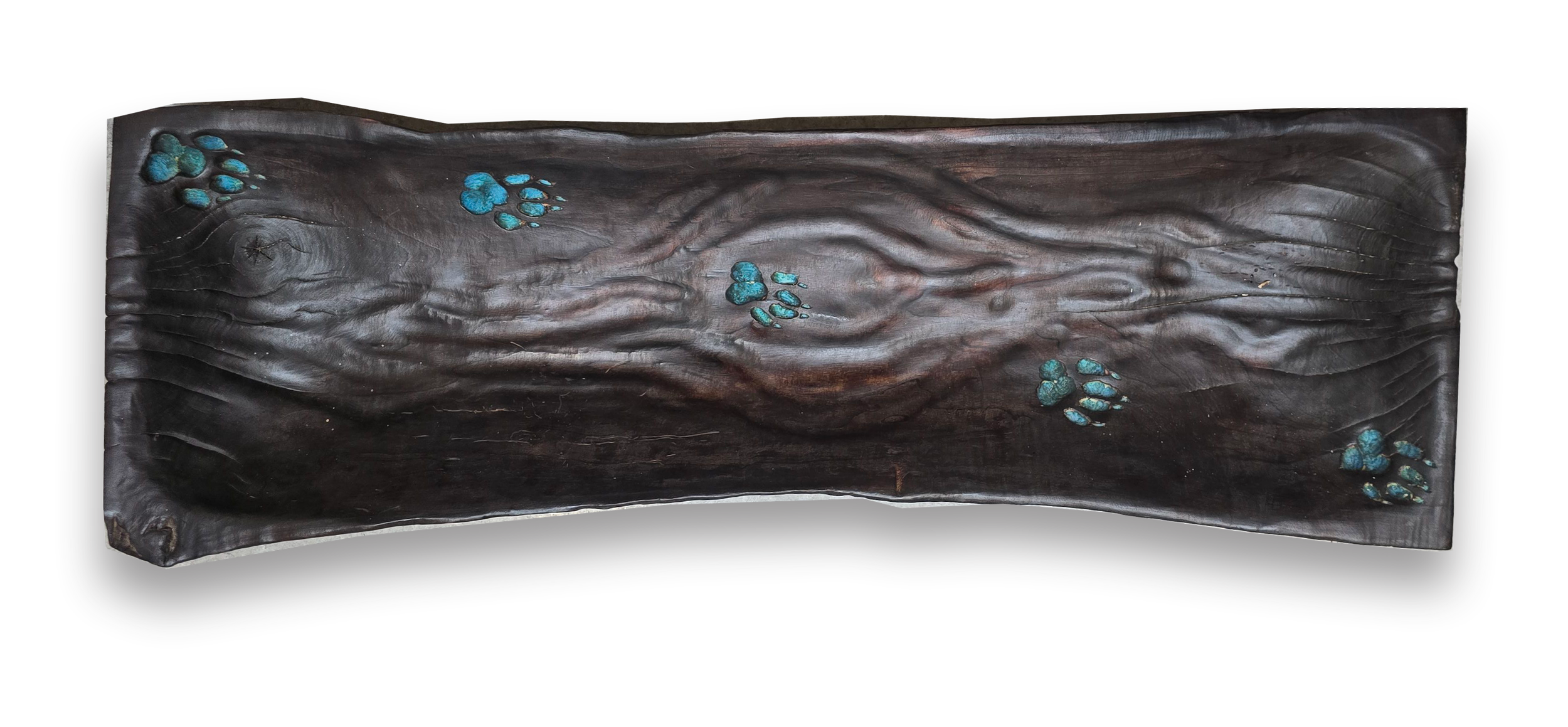
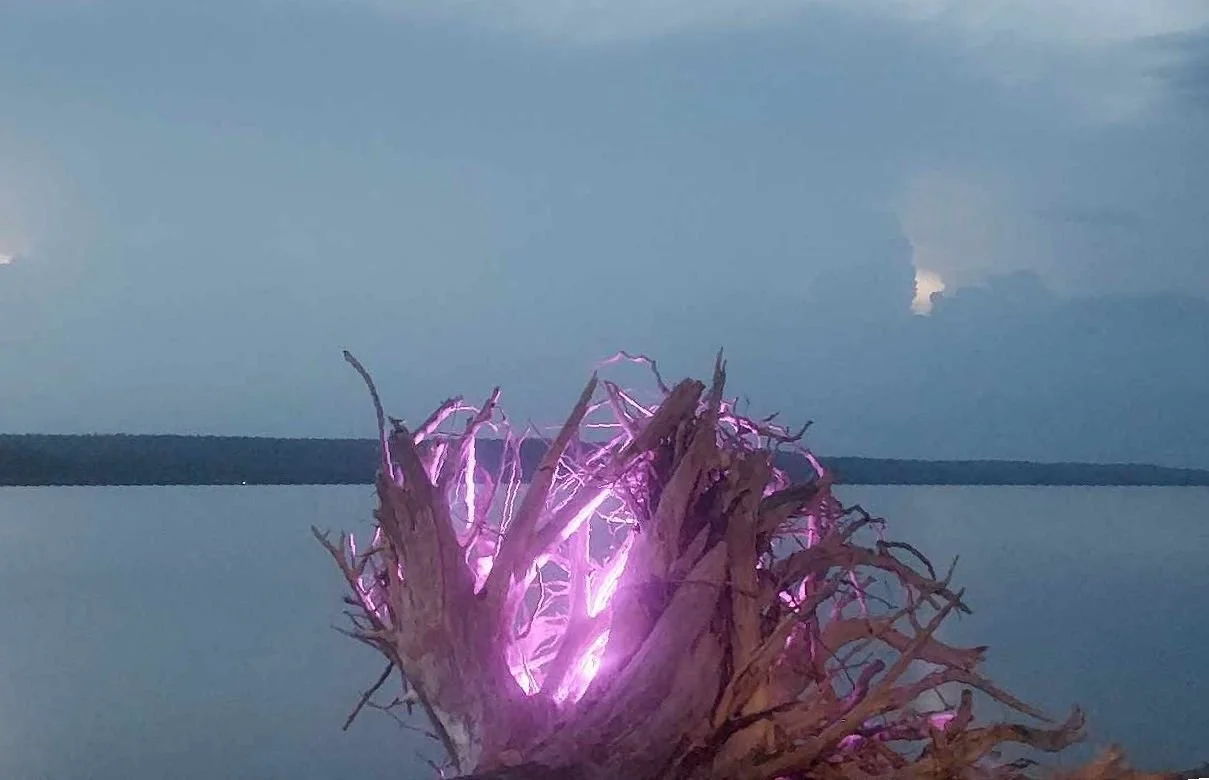
wall and outdoor works provide a larger field for exploring material, scale, and place. working primarily in cedar and maple, these pieces evolve through carving, controlled burning, machining, abrasion, and colour. each work responds to the character of the material and the environment in which it will ultimately be experienced.
rather than applying imagery to the surface, the process reveals form through the natural structure of the material itself. light, shadow, texture, and changing conditions become active elements in the work, allowing each piece to shift with its surroundings.
whether installed on a gallery wall or within the landscape, these works explore the relationship between material, process, and place. they reflect an ongoing investigation into contemporary Indigenous art practice while remaining grounded in observation, experimentation, and the living qualities of natural materials.
fire • air • water
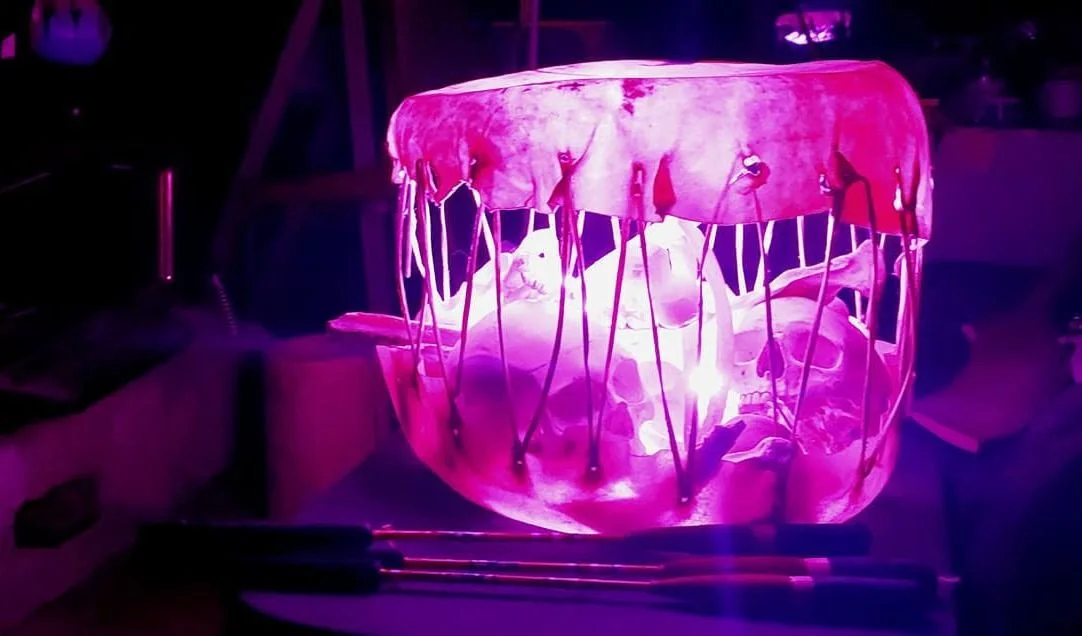
fire • air • water is an ongoing exploration of material transformation. through the controlled application of heat, air, water, carving, and machining, familiar materials reveal unexpected structures, textures, and forms.
rather than following a fixed process, each piece develops through observation and experimentation. the interaction between natural material, physical forces, and the decisions made in the studio creates outcomes that cannot be completely predicted or repeated.
these studies document an evolving methodology where process itself becomes an essential part of the finished work. each experiment informs the next, contributing to a growing body of knowledge shaped through making.
material studies
material studies are where ideas are tested and new processes emerge. many of the techniques that appear in finished works begin here as simple questions, observations, or experiments without a predetermined outcome.
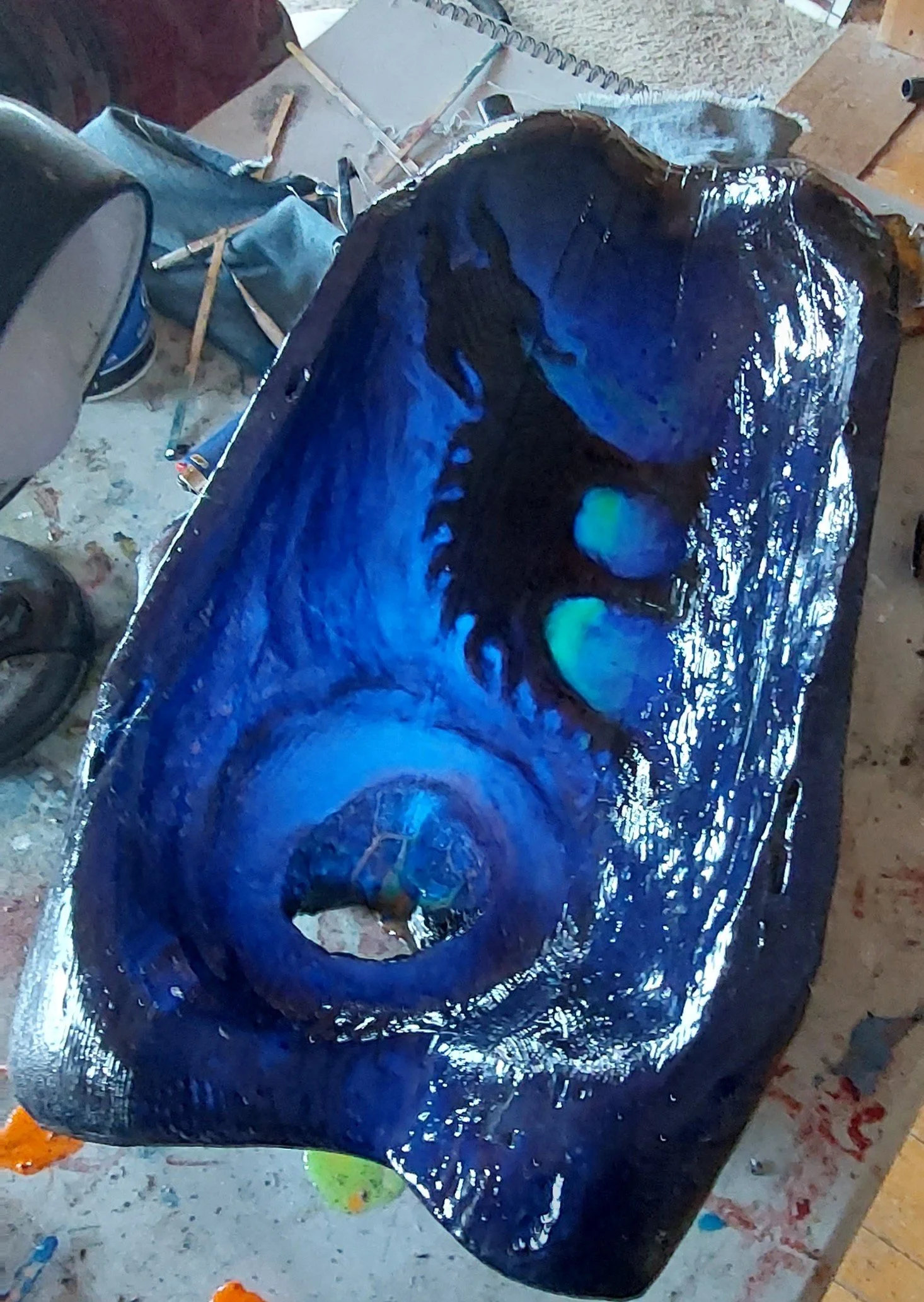
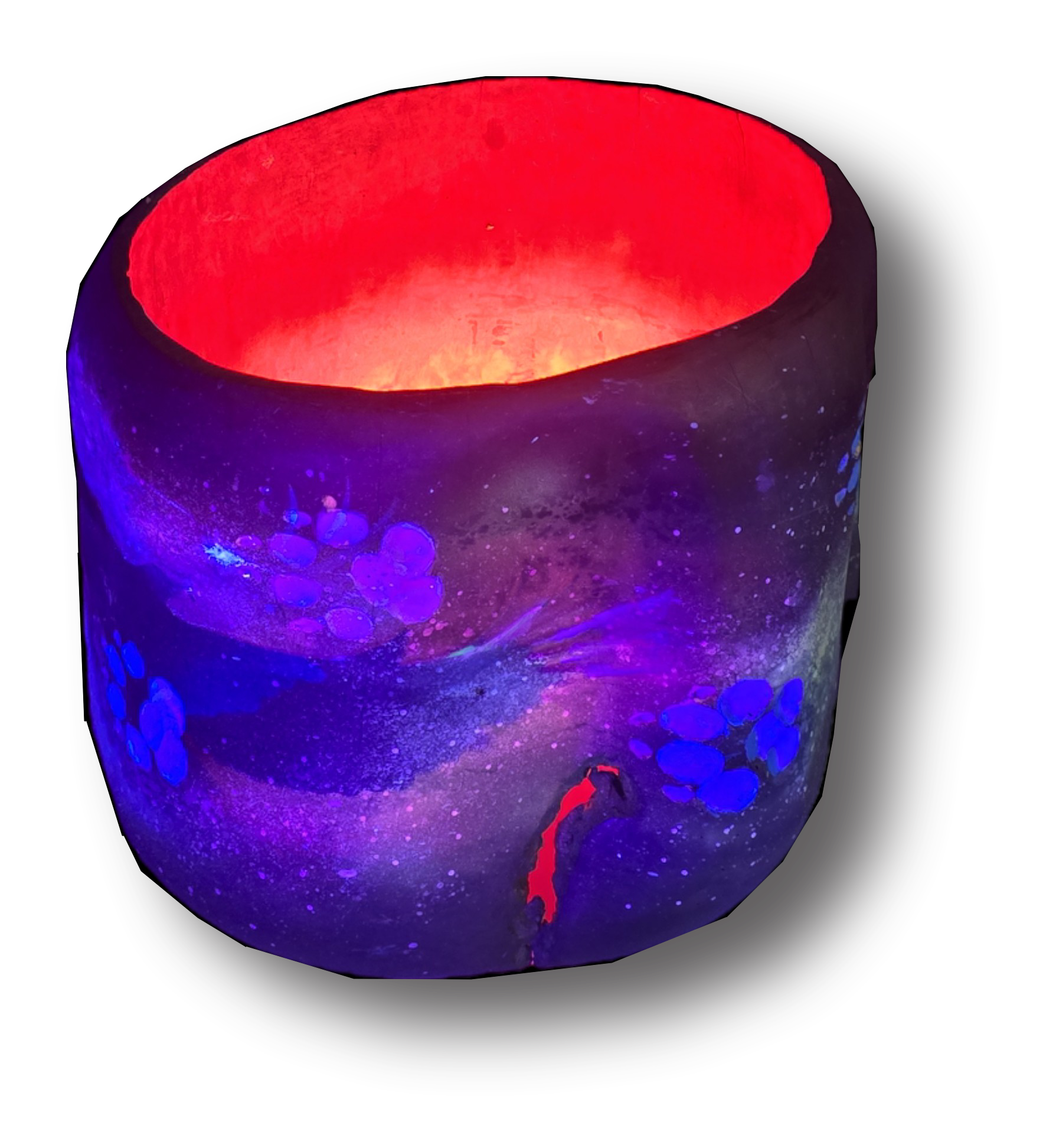
rather than seeking complete control over the material, i create the conditions for transformation and observe how the material responds. fire, air, water, gravity, weather, pigment, ultraviolet light, epoxy, and time each become active participants in the process.
leaving a piece outdoors during a rainstorm, allowing aniline dyes to move through the grain, or exposing charred surfaces to compressed air often produces results that could never be intentionally designed. the environment becomes another collaborator, contributing variables that cannot be fully controlled but can be understood and explored.
these studies embrace probability rather than predictability. each experiment expands the methodology, revealing new possibilities while reminding me that the material always has something to say.
experiments, temporary installations, odd discoveries, and moments of curiosity
site is a work in progress…pls be patient as I populate it with whimsy with a dash of logic and facts…..